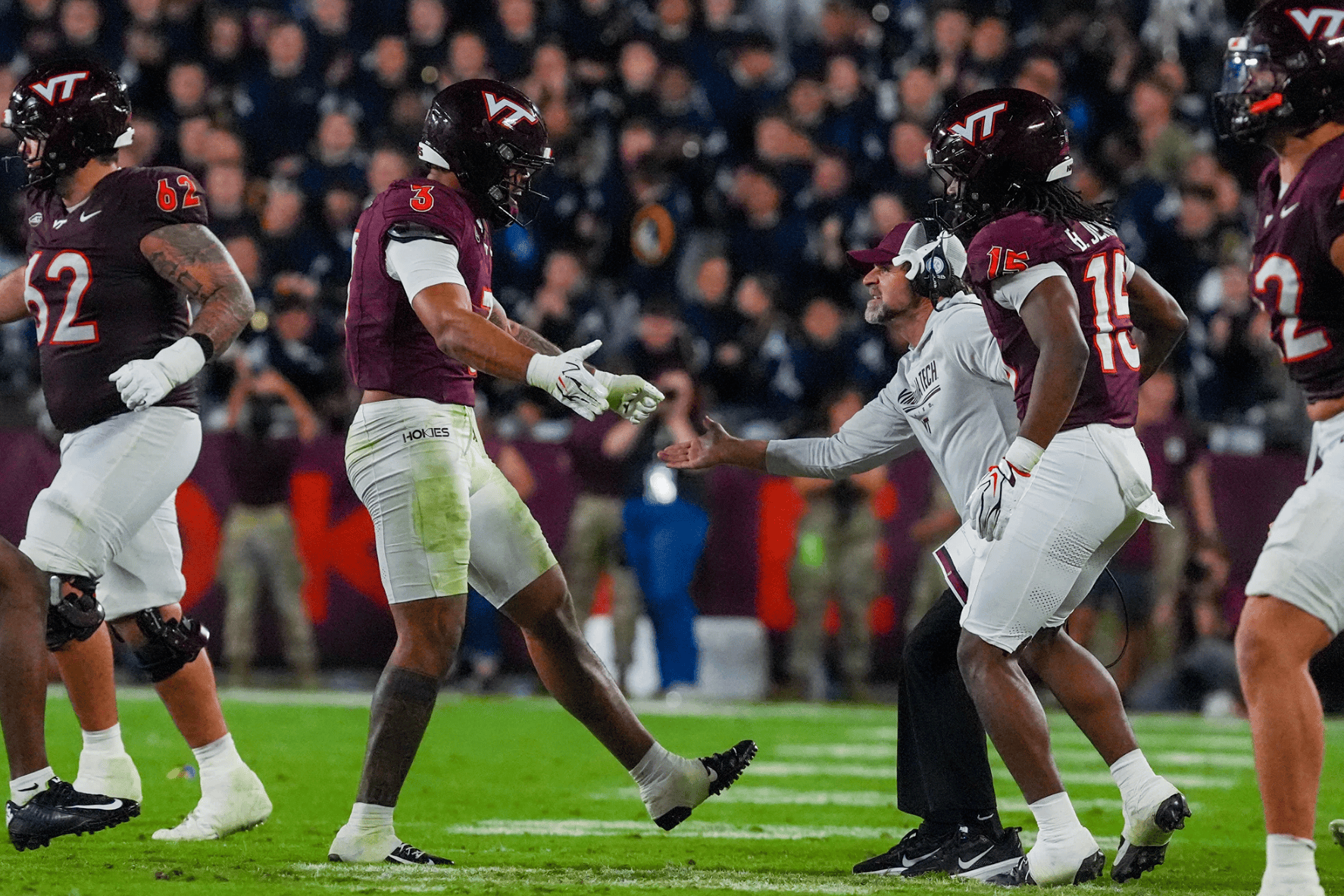
Two weeks ago, Virginia Tech was riding a two-game winning streak, fresh off a victory over Clemson, and seemingly building some momentum heading into the final month of James Franklin’s first season in Blacksburg.
Fast forward to today, and the Hokies have been outscored 91-50 in consecutive losses to SMU and Stanford. The defense has apparently decided that tackling is optional, the offense has struggled to find consistency, and whatever optimism existed following the Clemson game has largely evaporated.
Naturally, the reward for all of this is a Saturday night trip to Miami to face the fifth-ranked Hurricanes.
Fantastic.
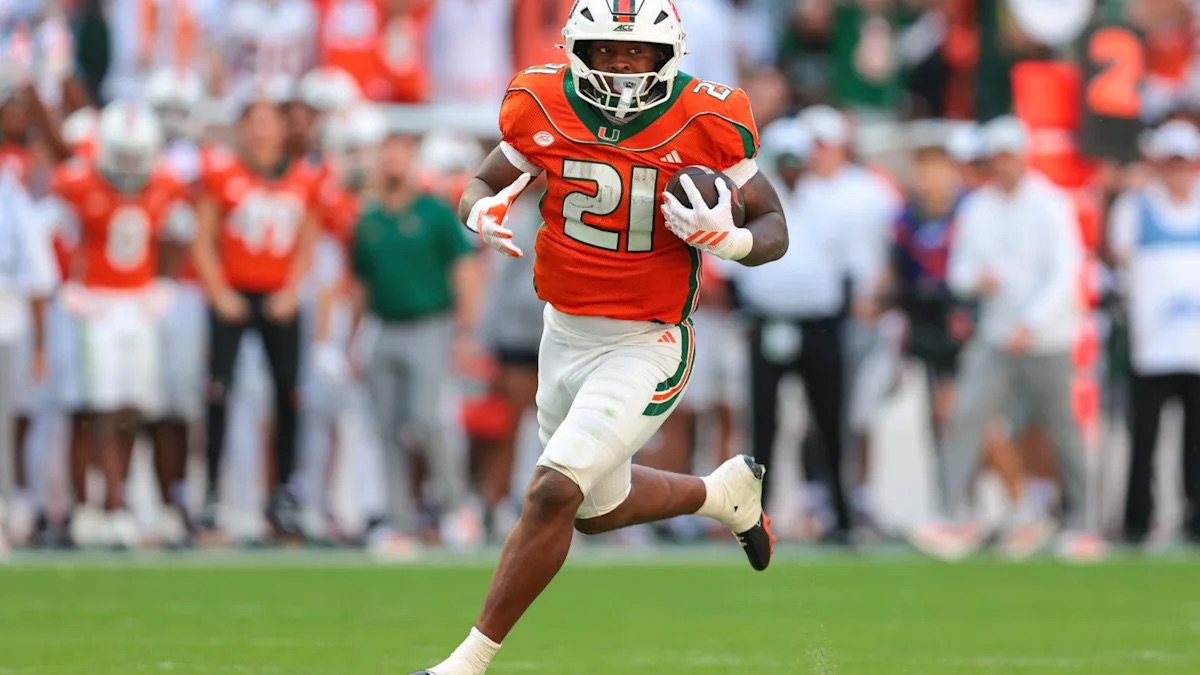
Miami enters the game 9-1, undefeated in ACC play, and firmly in the College Football Playoff conversation. The Hurricanes have one of the most explosive offenses in the country, a talented defense, and a roster that looks considerably closer to competing for a national championship than Virginia Tech’s.
The Hokies, meanwhile, are trying to avoid a third consecutive loss and prove that the progress we saw in October wasn’t just a temporary hallucination.
It’s Virginia Tech versus Miami. It’s a primetime game. College GameDay is in town. And if history has taught us anything, it’s that this rivalry rarely lacks entertainment.
Unfortunately, entertainment and enjoyment are not necessarily the same thing.
Where Things Stand
Virginia Tech is officially bowl eligible at 6-4, which is something worth acknowledging considering the state of the program when Franklin arrived.
But the way the Hokies have reached six wins makes it difficult to feel particularly good about the direction of the team.
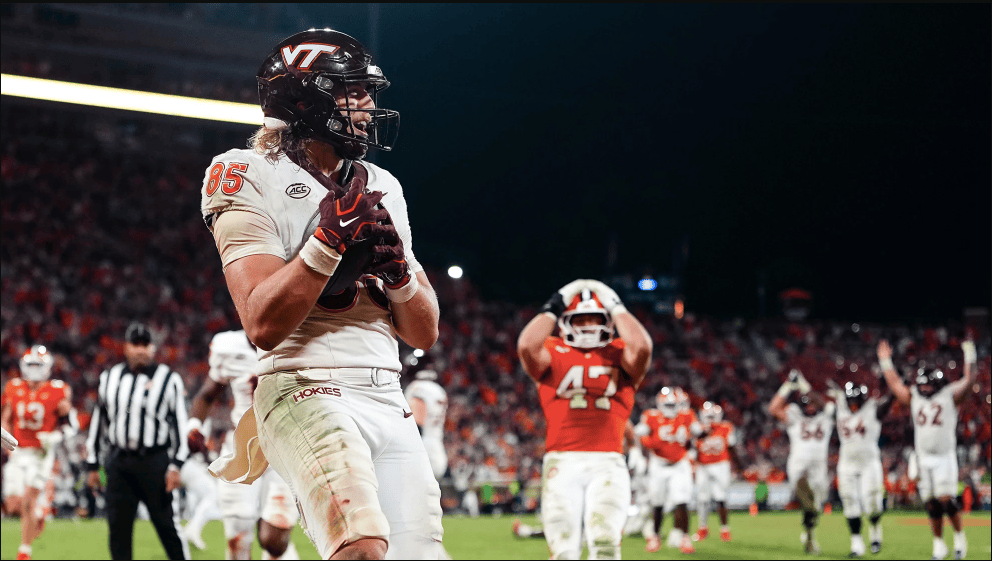
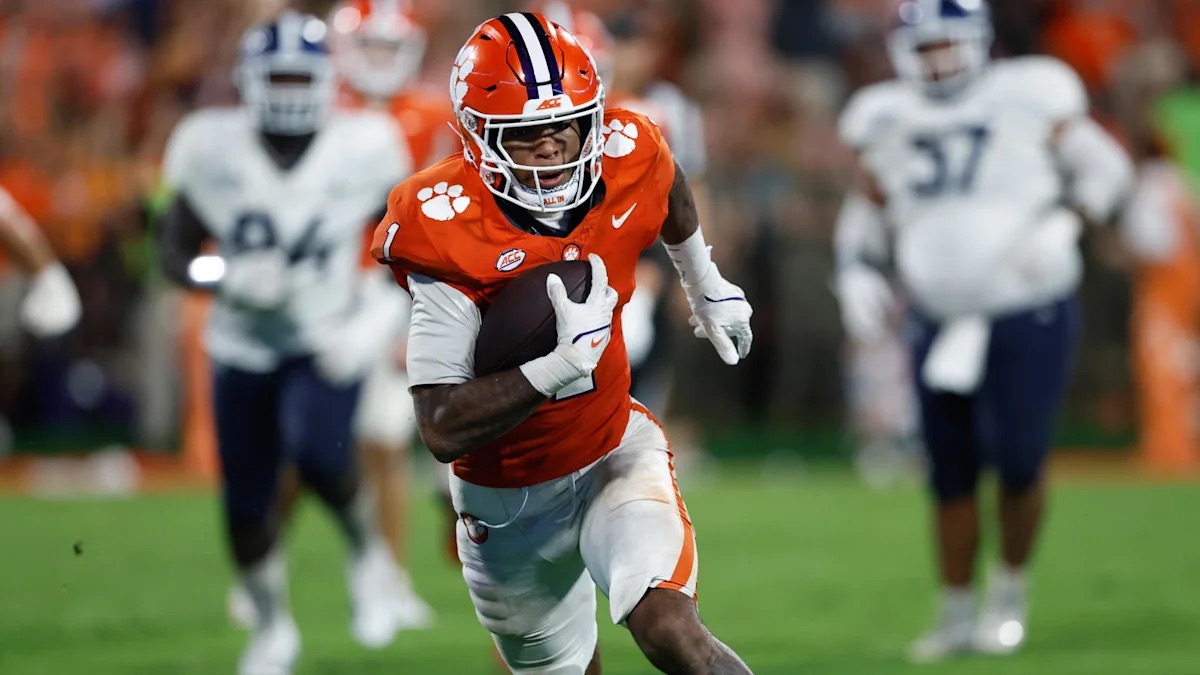
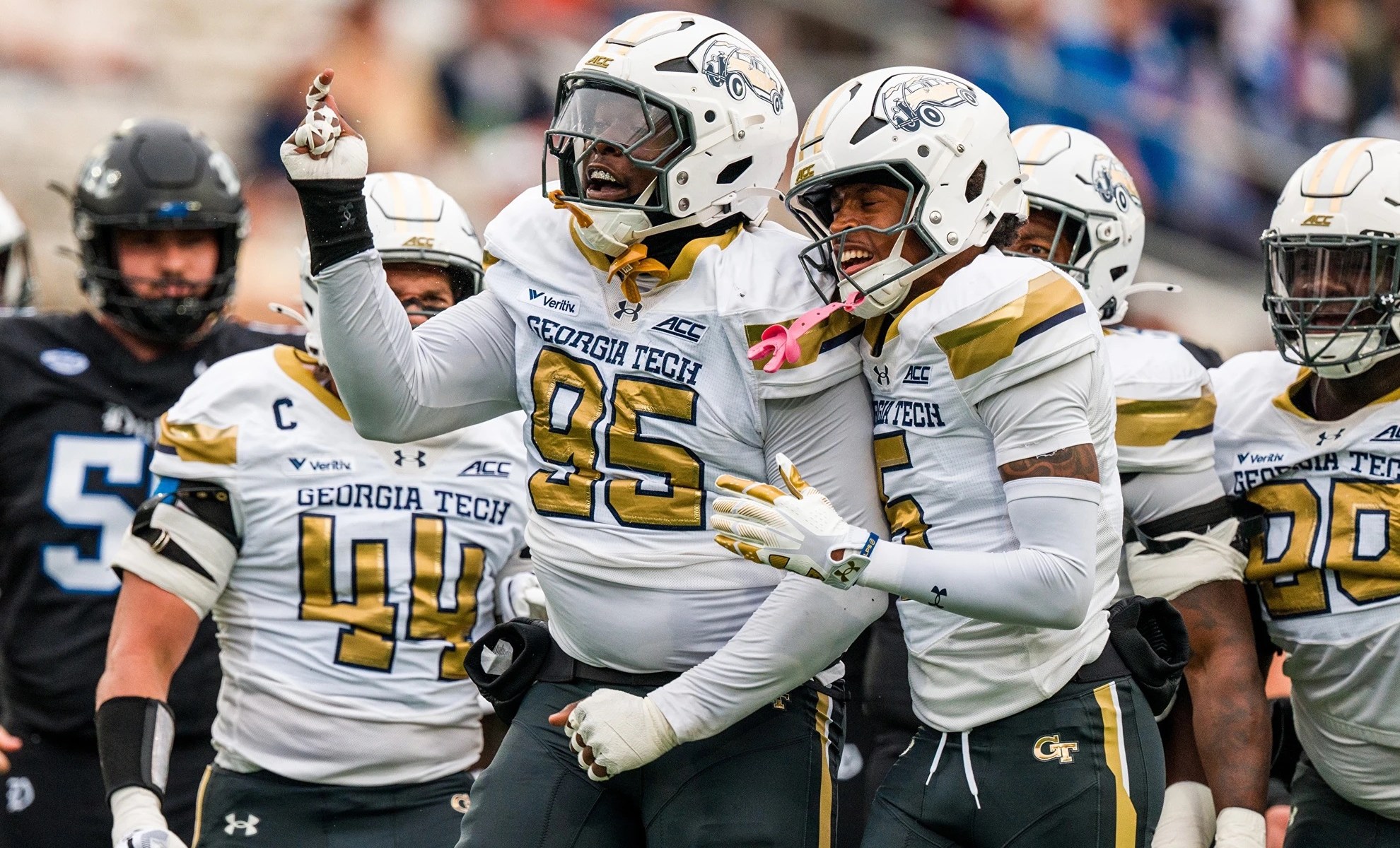
The victories over Georgia Tech and Clemson suggested that Virginia Tech was beginning to figure things out. The defense was making timely stops, the offense was doing enough to win, and Franklin appeared to be getting meaningful improvement out of a roster that had plenty of question marks entering the season.
Then came SMU.
And then Stanford.
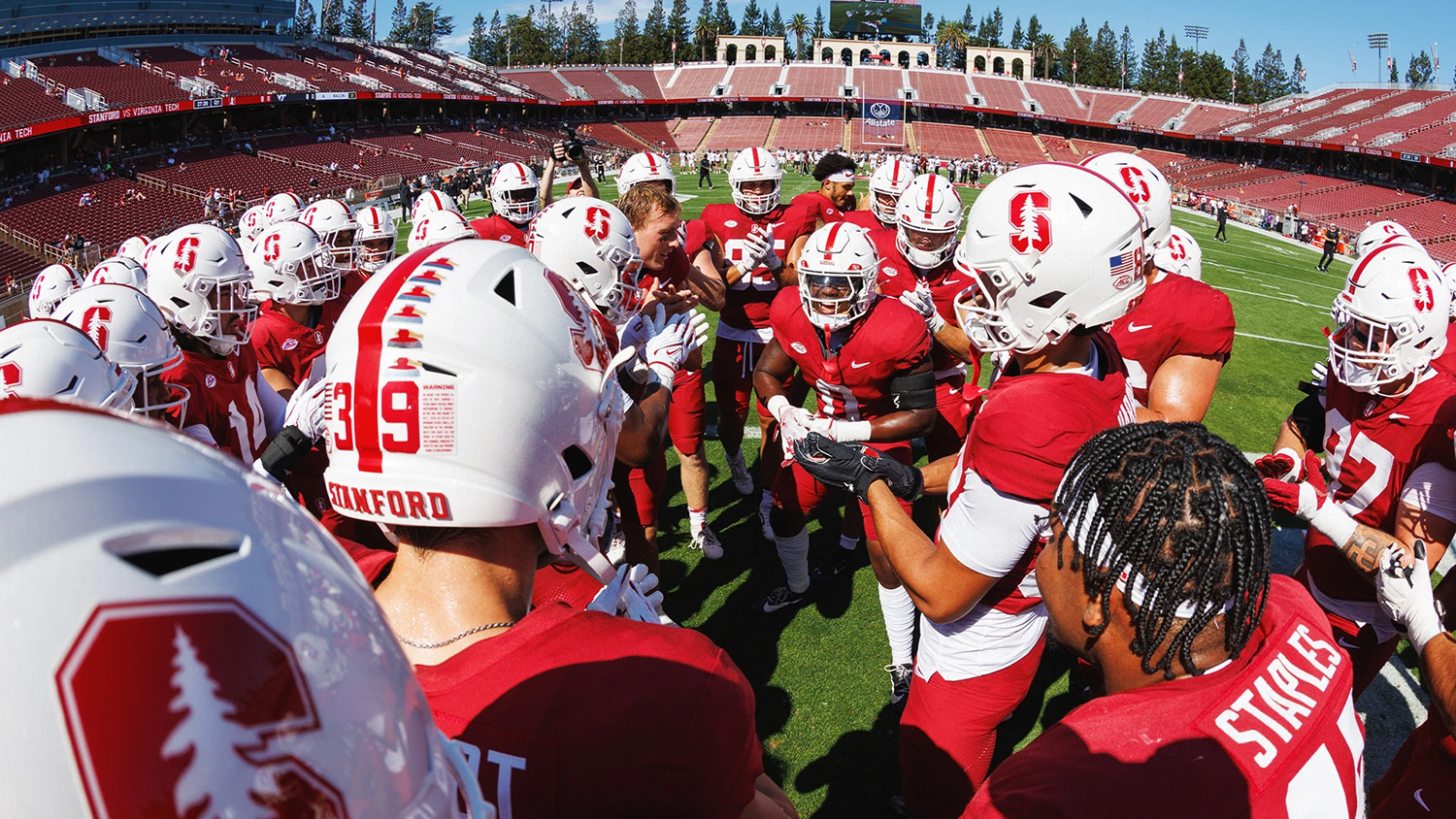
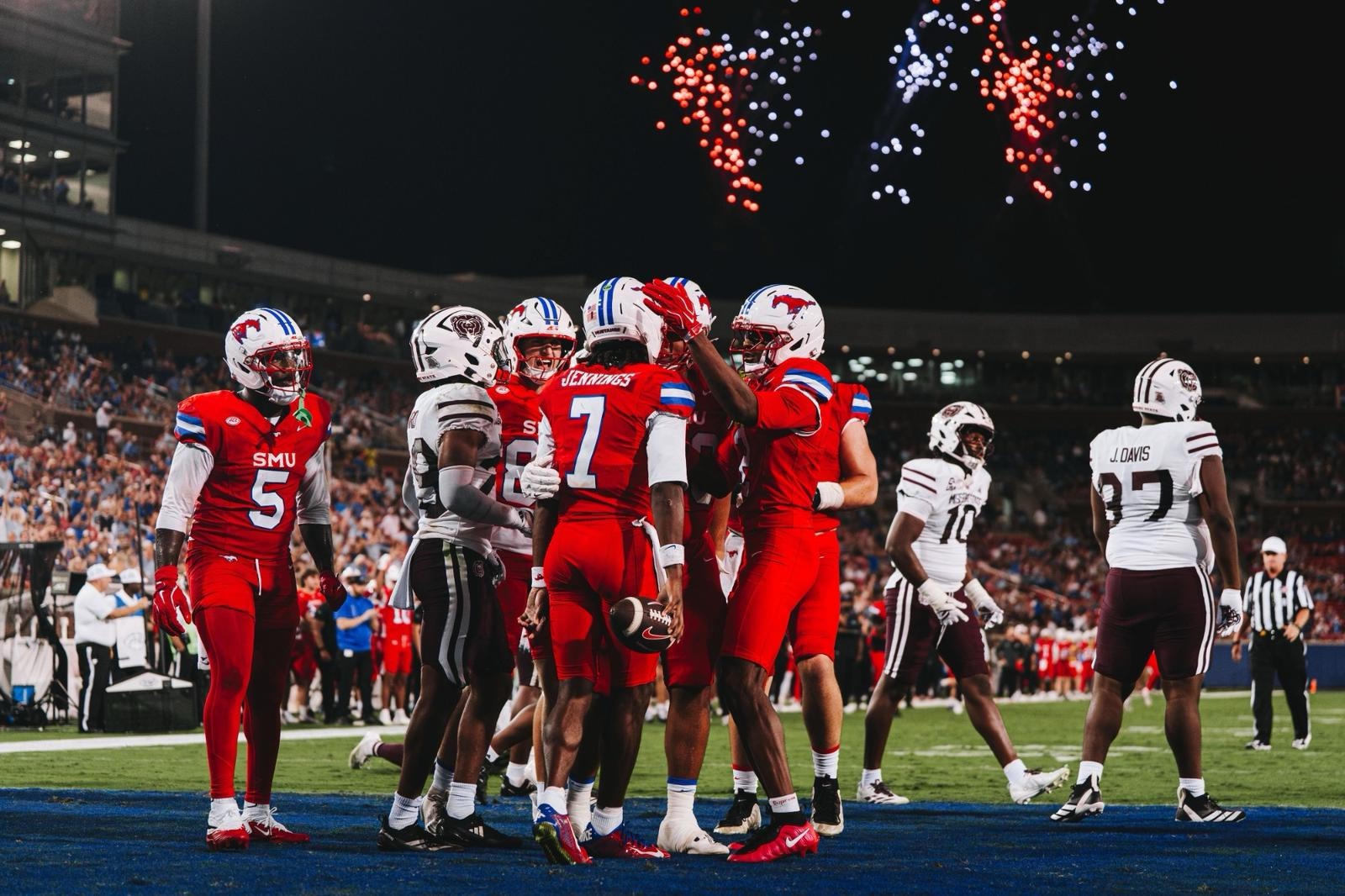
Losing 51-28 in Dallas was ugly enough. Following that up with a 40-22 home loss to Stanford was arguably worse. The Cardinal came into Lane Stadium and ran all over the Hokies, exposing defensive issues that have been lingering throughout the season.
In the span of eight days, Virginia Tech went from looking like a team capable of finishing the season strong to one desperately searching for answers.
Miami is having a very different November.
The Hurricanes are 9-1, with their lone loss coming at Notre Dame, and have won all seven of their ACC games. They survived a double-overtime battle against Florida State, dismantled Pittsburgh, escaped North Carolina, and most recently defeated Duke 36-25.
Miami has its flaws, but the Hurricanes have consistently found ways to win.
Virginia Tech has consistently found ways to make things more difficult than they need to be.
That’s not an ideal combination heading into Saturday night.
A Look at Miami
Mario Cristobal has spent the last several years assembling one of the most talented rosters in the ACC, and the 2026 Hurricanes are beginning to look like the team Miami fans have been promising us was coming for approximately two decades.
Miami is averaging 44.1 points and more than 500 yards of offense per game. The Hurricanes can beat opponents through the air, on the ground, or by simply overwhelming them with superior talent.
Quarterback Darian Mensah has been outstanding. The Duke transfer has thrown for 3,076 yards, 29 touchdowns, and just two interceptions through ten games. He’s completing more than 76% of his passes and has given Miami the kind of efficient, explosive quarterback play that makes the rest of its offense extremely difficult to defend.
Wide receiver Malachi Toney has been equally impressive, recording 73 receptions for 1,027 yards and 13 touchdowns. However, his injury situation is worth monitoring, with some pregame projections listing him as unavailable.
The Hurricanes also feature a productive running game led by Mark Fletcher Jr. and Javian Mallory. Fletcher suffered a lower-body injury against Duke, creating another potential question mark heading into Saturday.
Defensively, Miami has plenty of talent, particularly along the defensive front. Marquise Lightfoot leads the Hurricanes with seven sacks, while linebacker Mohamed Toure has been one of their most productive defenders.
Miami isn’t unbeatable. Notre Dame proved that, and both North Carolina and Florida State pushed the Hurricanes to the limit.
But those teams also demonstrated something else: even when Miami doesn’t play particularly well, it has enough offensive firepower to survive.
Virginia Tech will need something considerably better than what we’ve seen the last two weeks to take advantage of those vulnerabilities.
The numbers aren’t particularly encouraging.
Miami scores 11 more points per game, generates nearly 100 additional yards of offense, and allows fewer points defensively.
The biggest difference is in the running game. Miami averages nearly 187 rushing yards per game while allowing just 71.4. Virginia Tech, meanwhile, has struggled to establish its own running game consistently and just allowed Stanford to dictate the game on the ground.
The one area where Virginia Tech might have an opportunity is through the air. Miami’s pass defense has allowed 252.5 yards per game, and the Hokies have shown they can move the football when Ethan Grunkemeyer has time to operate.
The problem is that moving the football and actually scoring touchdowns have occasionally been two very different things for this team.
When Virginia Tech Has the Ball
Despite the recent struggles, Ethan Grunkemeyer has put together a respectable first season in Blacksburg.
Through ten games, the Penn State transfer has completed 232 of 334 passes for 2,701 yards, 20 touchdowns, and five interceptions. He’s demonstrated good accuracy, generally protected the football, and given the Hokies a legitimate passing threat.
Que’Sean Brown has emerged as his most reliable target, leading the team with 66 receptions for 793 yards and five touchdowns.
The biggest question is whether Virginia Tech can generate enough offense against Miami’s defensive front to keep the game competitive.
Jeffrey Overton Jr. has been one of the Hokies’ most productive offensive players, rushing for 869 yards while adding 251 receiving yards. His versatility gives Virginia Tech an opportunity to create mismatches, particularly when he’s used in the passing game.
But Miami’s run defense presents an enormous challenge.
The Hurricanes are allowing just over 70 rushing yards per game. If Virginia Tech can’t establish any threat on the ground, Grunkemeyer will be forced into obvious passing situations against a defense that can generate pressure without sacrificing coverage.
That’s not a recipe for success.
The Hokies need to be creative offensively. Quick passes, screens, designed touches for Overton, and an occasional deep shot to Brown should all be part of the game plan.
More importantly, Virginia Tech needs to avoid the self-inflicted mistakes that have plagued the offense during stretches of the season.
A false start on second-and-four might be survivable against an average opponent. Against Miami, it’s how a promising drive becomes another punt.
The key: Keep Grunkemeyer upright, manufacture a running game, and finish drives with touchdowns instead of field goals.
When Miami Has the Ball
This is where things get concerning.
Miami’s offense is among the most productive in the country, and Virginia Tech’s defense is coming off two of its worst performances of the season.
The Hokies allowed 51 points to SMU and followed that up by surrendering 40 to Stanford. Those weren’t simply cases of opponents making spectacular plays. Virginia Tech struggled with tackling, gap discipline, and getting off the field.
Now the defense has to deal with Darian Mensah.
Mensah has been exceptionally efficient distributing the football, and Miami’s receiving corps gives him multiple options on virtually every play. The Hurricanes can stretch defenses horizontally and vertically, creating space for their running backs and forcing defenders to make difficult decisions.
That’s particularly problematic for a Virginia Tech defense that has struggled when opponents create space in the open field.
The Hokies can’t afford to sit back and allow Mensah to pick apart the secondary. They need to generate pressure, disrupt his timing, and force him into uncomfortable situations.
But bringing additional defenders into the pass rush creates opportunities for Miami to exploit one-on-one matchups.
And if Virginia Tech focuses too heavily on stopping the passing game, the Hurricanes have more than enough talent to run the football.
There isn’t an obvious answer.
The best approach might be to prioritize limiting explosive plays and forcing Miami to sustain long drives. That means tackling in space, avoiding busted coverages, and making the Hurricanes earn every yard.
It also means the defensive line needs to play significantly better than it did against Stanford.
If Miami consistently gains five or six yards on first down, this could get ugly in a hurry.
The key: Force Miami into third-and-long situations, limit explosive plays, and create at least a couple of turnovers.
Three Keys to the Game
1. Don’t let Miami get comfortable early
Virginia Tech cannot afford another slow start.
Miami is averaging more than 44 points per game, and the Hurricanes have the offensive talent to turn a two-score lead into a blowout in a matter of minutes.
The Hokies need to survive the opening quarter, establish some offensive rhythm, and avoid giving Miami short fields.
A competitive first half won’t guarantee anything, but falling behind 21-3 probably will.
2. Win the turnover battle
Virginia Tech isn’t going to out-talent Miami.
The Hokies need to manufacture additional possessions, whether through turnovers, fourth-down stops, or special teams.
Mensah has thrown just two interceptions all season, so forcing mistakes won’t be easy. But Virginia Tech needs to take some calculated risks rather than simply waiting for Miami to make a mistake.
Playing conservatively and hoping the Hurricanes beat themselves isn’t much of a strategy.
3. Find something positive to build on
At 6-4, Virginia Tech has already secured a bowl appearance. The ACC Championship Game is no longer a realistic goal, and a trip to Miami isn’t likely to change the overall trajectory of the season.
But that doesn’t mean Saturday is meaningless.
Franklin needs to show that his team can respond to adversity. The Hokies need to demonstrate improvement defensively, compete for four quarters, and give themselves something positive to carry into the final week of the regular season.
A victory would be one of the biggest upsets of the college football season.
A competitive loss could still provide some encouragement.
Another 20-plus-point defeat would raise some uncomfortable questions about how much progress this program has actually made.
Betting Outlook
Miami opened as approximately a 16.5-point favorite, but the line has moved to 20.5 points at several major sportsbooks.
That’s a significant move, particularly considering Virginia Tech was a much more competitive team just a few weeks ago.
The total has also climbed from 56.5 to around 61 points, suggesting expectations of a relatively high-scoring game.
How the betting line has moved
Opening spread Miami -16.5
November 17 spread Miami -20.5
The models aren’t particularly optimistic about Virginia Tech’s chances, either. SP+ projects Miami to win by approximately 20 points, while other simulations give the Hurricanes roughly a 94-95% chance of winning.
It’s difficult to argue with those projections.
Miami has been excellent at home, where the Hurricanes are 5-0. Virginia Tech is coming off consecutive double-digit losses, and the defensive matchup heavily favors Miami.
That said, 20.5 points is a lot in a rivalry game.
Virginia Tech has enough offensive talent to score against Miami, and the Hurricanes have occasionally allowed inferior opponents to hang around longer than expected.
I wouldn’t be surprised if the Hokies keep things competitive for a half before Miami’s talent advantage takes over.
My lean: Virginia Tech +20.5. I don’t particularly like the matchup, but I think the Hokies have enough offensive firepower to stay within three touchdowns if they avoid turnovers.
Prediction
There’s a version of this game where Virginia Tech comes out motivated, Grunkemeyer plays exceptionally well, the defense forces a couple of turnovers, and Miami spends most of the evening wondering why it can’t put away a six-win team.
That version is possible.
It’s just not particularly likely.
Miami is simply better than Virginia Tech at too many positions. The Hurricanes have the more explosive offense, the more talented defensive front, and a substantial home-field advantage.
The biggest concern is Virginia Tech’s defense. After allowing 91 points over the last two games, it’s difficult to envision the Hokies suddenly shutting down one of the most productive offenses in college football.
I do think Virginia Tech will move the football. Grunkemeyer and Brown should be able to find opportunities against Miami’s secondary, and Overton gives the Hokies a legitimate weapon out of the backfield.
But I don’t think it will be enough.
Miami jumps out to an early lead, Virginia Tech makes things interesting for a stretch, and the Hurricanes eventually pull away in the second half.
Miami 41, Virginia Tech 24
Final Thoughts
There’s something fitting about Virginia Tech heading to Miami for a primetime game with College GameDay in town.
For much of the late 1990s and early 2000s, this was one of the defining rivalries in college football. Both programs were nationally relevant, both regularly competed for conference championships, and the games often carried significant postseason implications.
Saturday’s matchup is a reminder of how much has changed.
Miami is back in the national championship conversation. Virginia Tech is still trying to figure out how to get there.
That’s ultimately what the James Franklin era is supposed to change.
The Hokies aren’t expected to win Saturday, and frankly, they probably shouldn’t. But they should be expected to compete, play disciplined football, and demonstrate that the program is moving in the right direction.
Because at some point, the moral victories need to become actual victories.
And there’s no better place to start proving that than against Miami.